Suze Orman is a motivational speaker, financial guru, and author who just happens to also be a multi-millionaire. I suspect that life in the rarified atmosphere of untold wealth tends to influence your perspective in regard to the life we live and want to live. She is an eternal optimist, entertaining and offering sound advice to those of us who care to admit that we just may not have all the answers to living beyond fifty. Anytime I am not “doing something” I am reading and I recently perused her take on the rules of retirement in the September issue of AARP, the magazine. Clever lady.
While I have not amassed great fortunes, I have managed to live awhile in a cluttered world leading me to develop a personal philosophy for what is important to me as my ability to do “stuff” declines. I thought I might share a perspective or two developed from years on the streets, some of which were located in countries offering far less in comfort than we currently enjoy in America.
Friends are a high priority for me. We all develop many acquaintances over time. Some of these acquaintances develop into friends, and fewer still into close friends. If you haven’t done so lately, it might be a good time to take stock of your friend inventory and recognize them for the treasure they really are. What is the difference, you might ask, in levels of friendship. Real friends will always tell you what you NEED to hear as opposed to what you WANT to hear. They can absorb a difference of opinion with you, smile and hug you anyhow. Call it tough love and always remember this love flows both ways. I recently enjoyed a wonderful evening with an old friend that, literally, had my back in life and death circumstances. Mike who lives not far from me, was a bright, razor sharp trooper who joined the Highway Patrol a year or so ahead of me. We laughed hard, tears flowing down our cheeks, at the peccadillos we found ourselves in, and on occasion, shot our way out of. Between the two of us, we might be able to muster up 50% of the horsepower and enthusiasm we possessed 50 years ago…maybe. It occurred to me as we enjoyed bar-b-cue and beverage that I owe Mike, the least of which is an honest effort to maintain a friendship honed in circumstances that are unimaginable. How many friends like this are you ignoring or, in more pleasant terms, taking for granted? One of these days, one of us is going to be begin that final journey under a sheet and it will be too late to offer our appreciation for the other’s contribution to our life. So, thank you Mike, I love you brother.

In Ms. Orman’s article, she points out another disturbing fact regarding our entry into the “golden years”, a description that I am sure refers to the cataract induced halo that begins to affect our vision as we age. American’s are loathe to plan for retirement when they are younger and can make decisions not affected by some current circumstance. A whopping 54% of us have no retirement plan beyond a few thoughts that rattle around in our heads. Even scarier, 34% of Americans have nothing, not even a random thought about tomorrow. That leaves around 12% of us who have spent time with a financial guru to establish a plan for the time when the aforementioned halo becomes a cane and trained canine. I suppose if you live hand to mouth with no hope of retiring then planning is a matter of keeping ahead of the ever present hand out to grab your precious “discretionary” money. If that is your lot, God bless you for your honest effort to carry your own freight until the end. I am not remotely qualified to offer financial advice, but there are many folks who are. They might make an interesting addition to the list of friends that will tell you what you need to know as opposed to the alternative. We love our advisor and have long since welcomed her into our inner circle! We took advantage of her expertise, while we could.
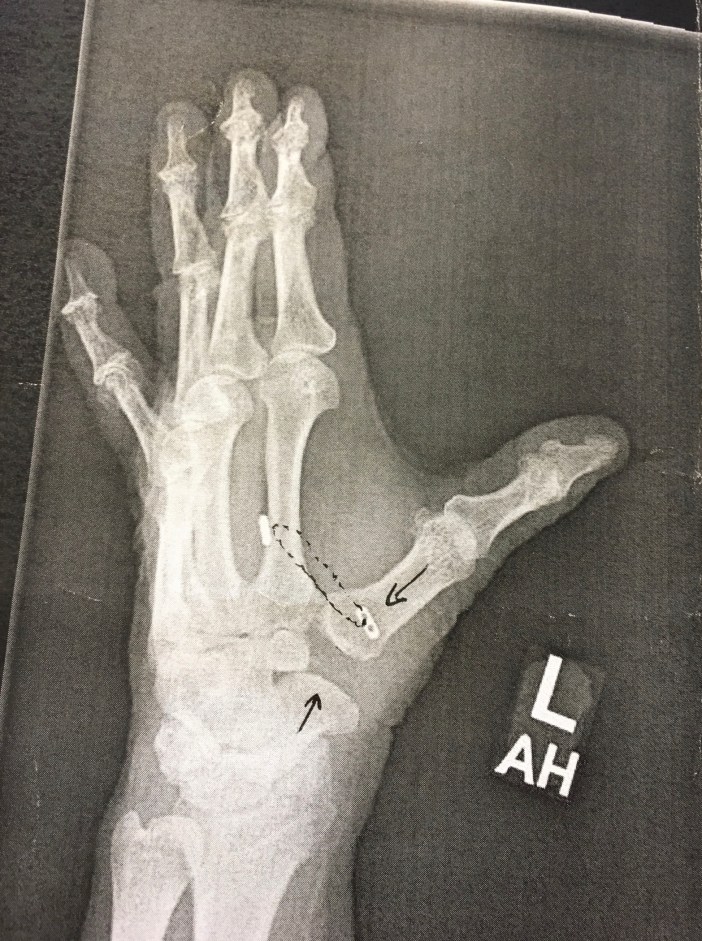
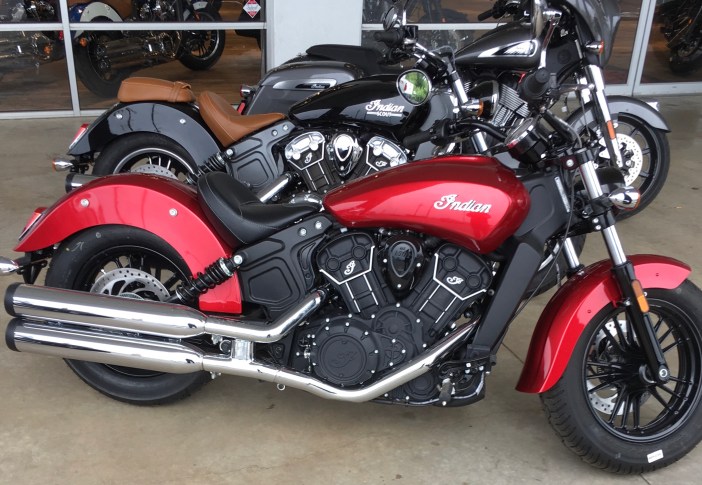
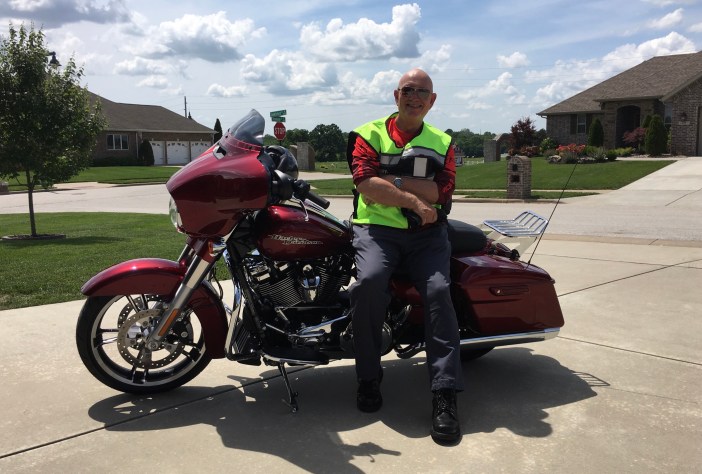
Finally, life itself. I will deliver a pristine, very low mileage Harley Davidson motorcycle to a friend of a friend this week. I am not looking forward to this inevitable closing of a great chapter in my life. Serious issues with my feet and arthritis have combined to make throwing around this big iron far less than pleasant. I am thankful that I was able to work 6 or so years of road “freedom” into a full life but hate admitting that quitting is the absolute right thing to do. Buying a new “lighter” bike is not going to bring back the sharpness that is intrinsic to managing the odds of a motorcycle surviving in traffic, and I am forced to acknowledge that while I could once heft a 150# person and carry them up an embankment when the need presented itself, today I have to steel myself to heft a 50# bag of kibbles into the mud room. Another venture into life at an age when many folks are shutting down their involvement involves piloting an airplane. I have always wanted to do this, and while I had a little left, undertook flight training. I progressed through soloing, cross country solo flights and was, as my instructor said, “ready to be kicked out of the nest”. At this point, aging stepped in and reminded me that I needed to rethink this wonderful pastime. While I can fly very light aircraft on my driver’s license, my AME (flight surgeon) tells me that I likely will not pass a third class medical exam. So, I decided to concede on this issue as airplanes are expensive and I damned sure would buy one, but for how much longer? I should have considered this business a few years back……but I didn’t. To my flying friends, kudos for grabbing this ring when health was not an obstacle, but beware. You all know exactly what I am talking about.
So, where are we. I have enough close friends to help get my pine box to the crematory and share my checkered existence with Sharon over funeral potatoes and ham. God granted me just enough patience to accept the few times that I was told no, either by circumstance or more directly. I have learned to accept failure when I simply wasn’t up to the task and I seldom am forced to acknowledge that I should have done something “while I still could”. My hat is off to those who read this and can say the same. If you are among those who are harboring regrets, get up off your comfortable duffs and do something about it. I am still not through tackling new adventures and will continue to do so, but will be much more cautious and outcome oriented. Can you say the same?
Tackle life while you still can!






 srj641