
The Walton family, as a result of the genius of the patriarch, Sam Walton, remain one of the richest families in the world. I suspect they have their money weighed rather than counted, it would be faster that way. Mr. Walton, an utterly unpretentious retailer from northern Arkansas had a vision, executed it boldly and gave the world a massive retail system that now delivers food to your door, as well as a manages a robust internet sales presence. I’m telling you nothing new.
Along comes another guy, Jeff Bezos, who has yet another vision, capitalizing on the endless opportunities within the cyber world, and joins the narrow list of folks who also weigh their money. It is simple in concept but incredible in results. You simply marry convenience with volume add logistics and soon are out shopping for another multi-million super yacht. America has no problem seeking convenience, and Amazon delivers it. I have come to the place in life where you rock back in your recliner and push a few keys on your computer and wait a day or two for your latest whim to be placed on your porch. It is that simple, but wait, there is more.
Amazon isn’t without structure. Folks return a lot of stuff, and if you are one that returns too much stuff for one reason or another, they will cut you off. That is important, because 1 in 10 purchases are returned, worldwide. Although not published, they become irritated when your return value exceeds a certain percentage of your purchase value per month. You will get a warning before they close your account, but close it they will. What happens to these returned items.
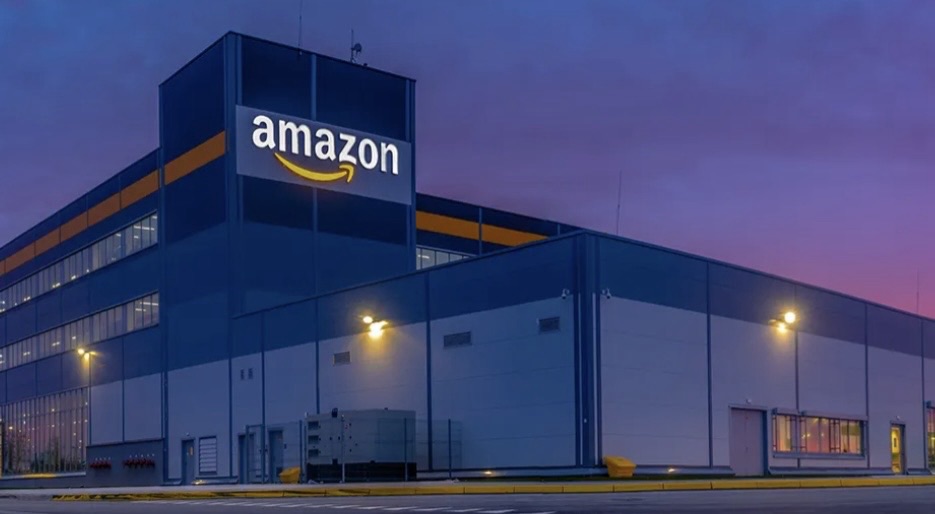
They are loaded on pallets and sold as such to enterprising retailers who then turn a profit on resale. Across the spectrum of the retail world, it is estimated that’s about 30% are returned. Amazon processes billions of orders annually. The returns then create a constant flow of merchandise into the liquidation pipeline. Amazon takes customer returns which are then routed to a fulfillment center where they are sorted into bulk lots where they are sold to liquidation companies. They, in turn, sell it to resellers where they are sold for roughly 30 cents on the retail dollar.
The pallets of merch are sorted into 3 categories, return, liquidation and mystery pallets. An unopened return may be sold for as much as 70 cents on the dollar. B-stock is Amazon’s official liquidation outlet. Local warehouses and “Bin” stores account for the majority of resales.
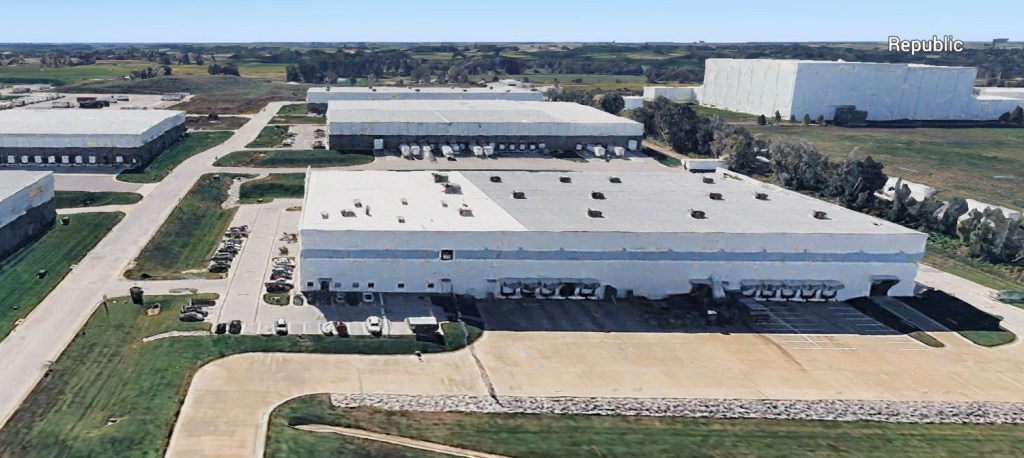
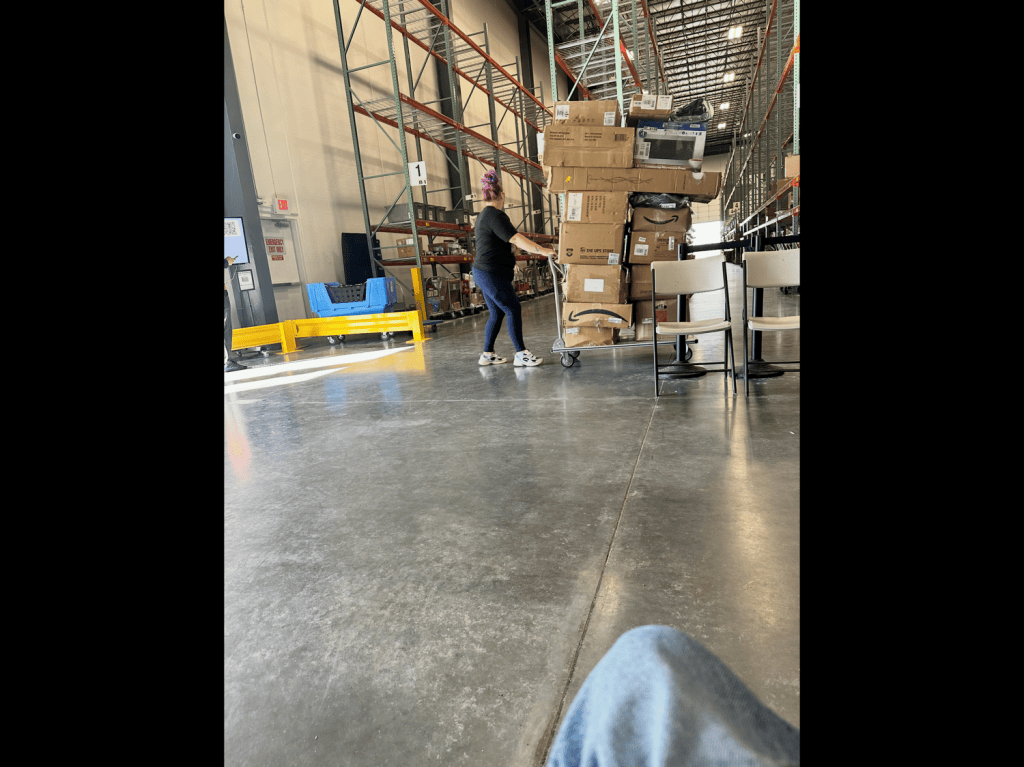
Enter Just-Bid a warehouse here in Springfield. You can look up their resale scheme online, but basically you conduct online bidding for a myriad of items. This warehouse, located close to the Amazon fulfillment center on the west side, is HUGE with a tremendously successful inventory control and delivery process. We have purchased many teams from this warehouse by participating in their online auction process, some for ridiculously low prices. As an example, we bought new portable steps for Kai, retail value 96.00 for 4.00. At the top of this pyramid sits Amazon, at the bottom, resellers. Just-Bid operates 7 bins around the US and is, by all accounts, making the enterprising folks who developed it, quite wealthy.
Even Sam Walton would be impressed. At the heart of this system lies two concepts, convenience and value. To my deep Ozark neighbors, you would have to pick up a hell of a lot walnuts to make this kind of money. Who would have thought it….well, excepting Bezos and Walton.

